Core Checkpoints in a Preventive Lift Maintenance Program
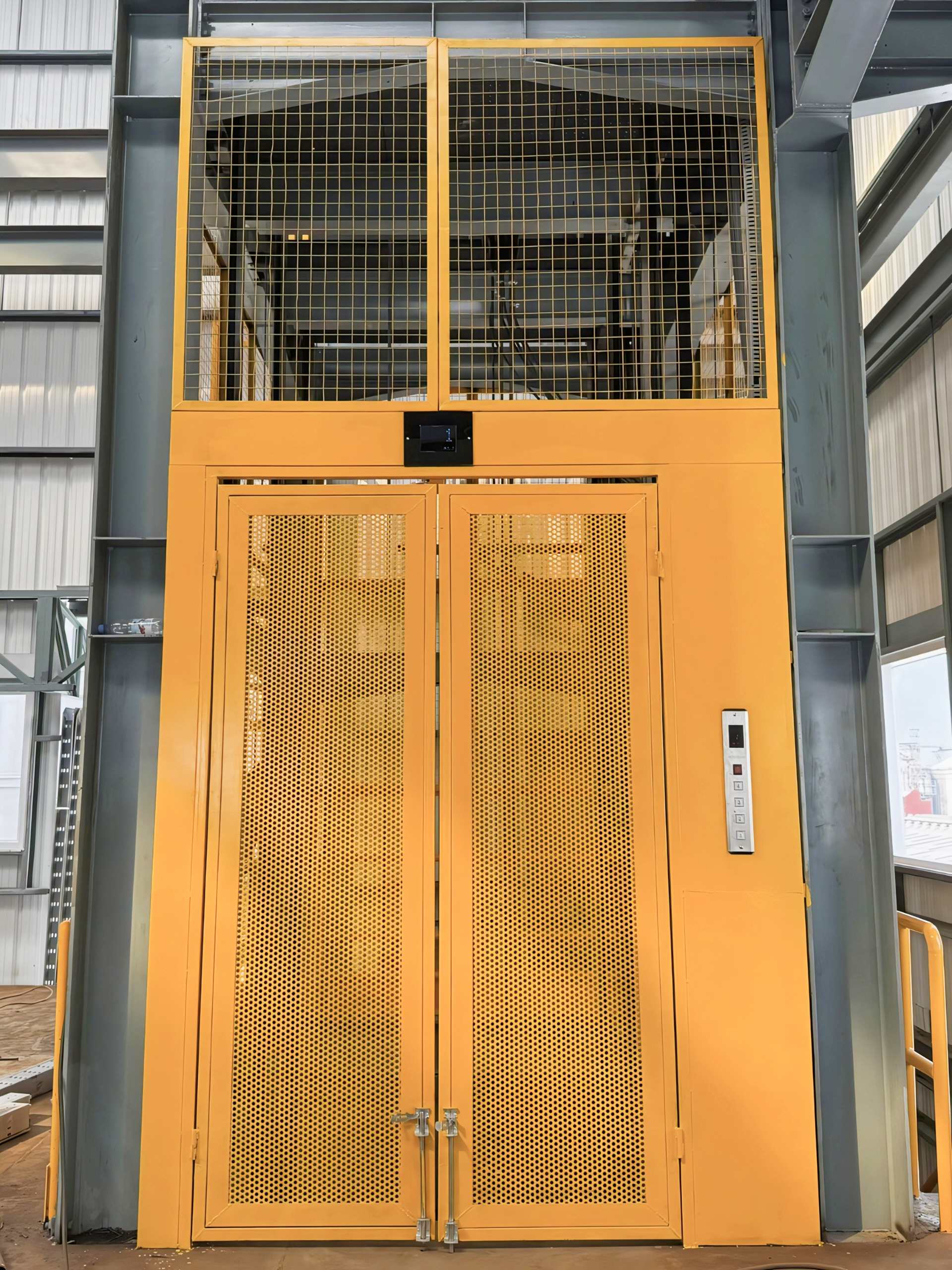
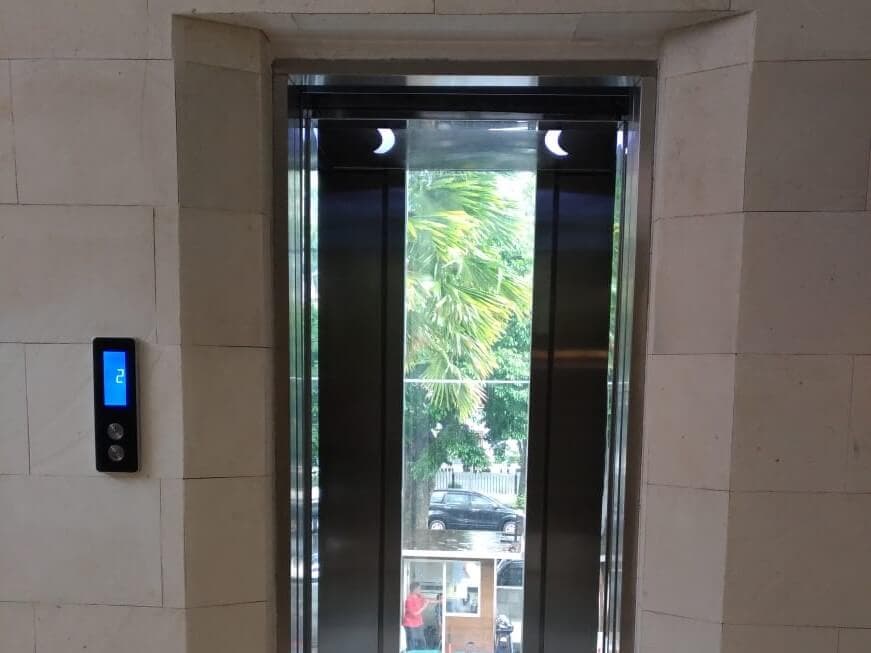
Reliable operation across passenger lifts, freight/service lifts, home lifts, and dumbwaiters depends on disciplined preventive checks before minor wear causes passenger entrapment or logistics stoppages. Routine visits inspect door operators, hanger rollers, sill tracks, and infrared door curtains, alongside mechanical-electrical door interlocks that prevent car motion unless every landing and car door is fully closed and locked.
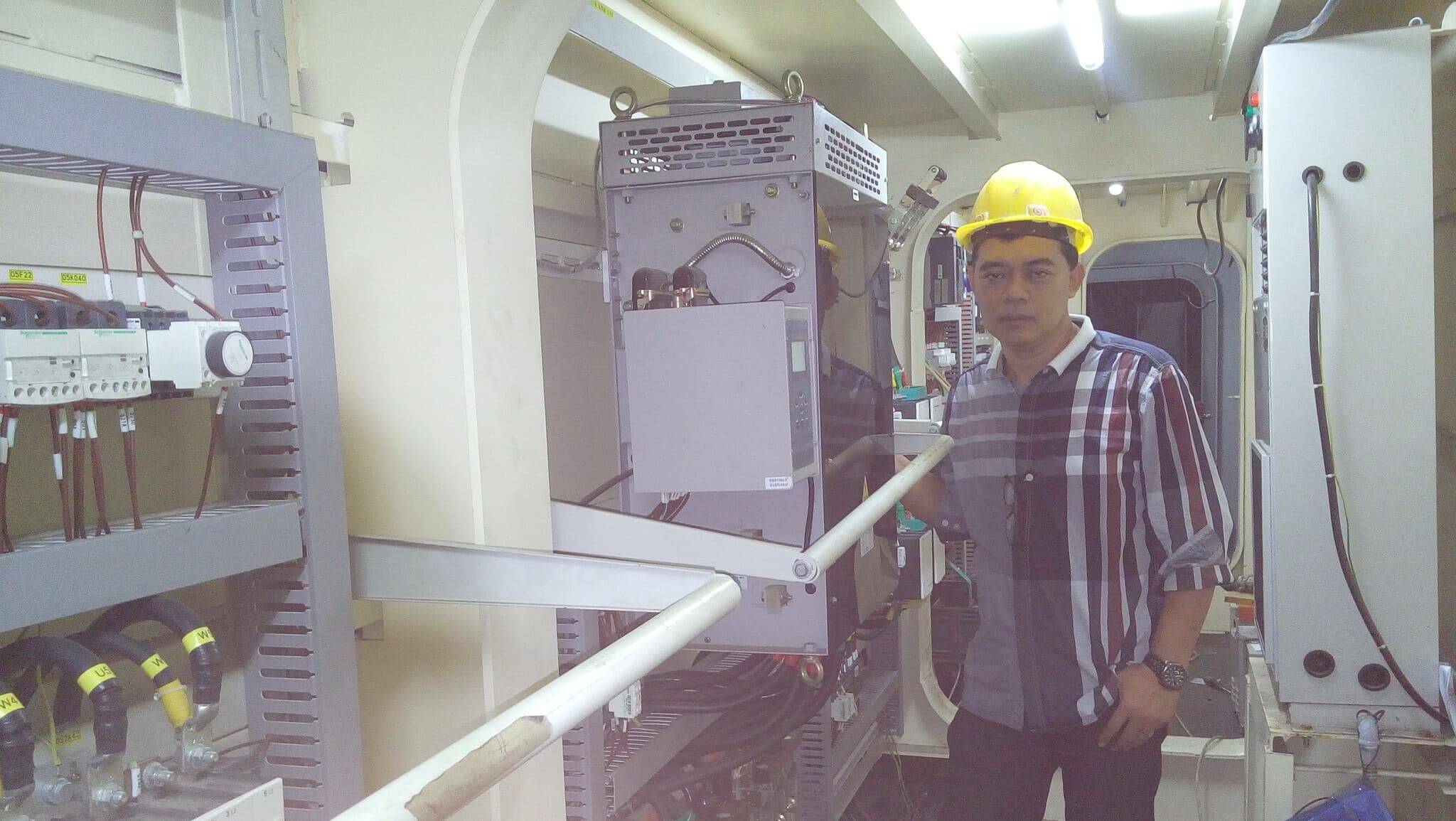
Inside the machine room (on MR lifts) or upper hoistway/controller zone (on MRL lifts), technicians check the traction machine, sheave groove wear, suspension wire-rope tension and condition, floor-stopping accuracy (mis-leveling), mechanical brakes, emergency rescue battery systems (ARD), emergency cab lighting, and two-way intercom communication.
Overspeed Protection Devices: Governor, Safety Gear, and Pit Cleanliness
Mechanical safety systems—including the overspeed governor, car-mounted safety gear, and pit energy-accumulation or dissipation buffers—must be maintained in accordance with the manufacturer's manual and applicable Indonesian elevator standards registered by BSN, such as SNI EN 81-20:2020, SNI 03-6573-2001, or SNI 05-7052-2004 depending on equipment type and scope.
The hoistway pit must remain dry, clean, and free of stored materials. Water ingress and debris accelerate corrosion on lower guide rails, governor tension sheaves, final limit switches, and pit buffers.
Statutory Elevator K3 Compliance Under Permenaker No. 6/2017
Operating elevators in Indonesian workplaces and commercial buildings is regulated under Ministry of Manpower Regulation (Permenaker) No. 6 of 2017 on Occupational Safety and Health for Elevators and Escalators, which mandates planned maintenance, an up-to-date equipment logbook, and both initial and periodic statutory examinations and tests (Riksa Uji).
Formal statutory testing and compliance verification are conducted by authorized Government Labour Specialists or appointed PJK3 inspection bodies employing licensed Elevator & Escalator K3 specialists. PT Indocrane Wahana Solusindo supports building owners through contracted preventive/corrective maintenance, technical logbook documentation, and remediation of mechanical or electrical findings.
Defining Maintenance Contract Scope vs. Component Modernization
Maintenance visit intervals should match actual traffic intensity—high-traffic hospitals, hotels, and multi-shift factories require different servicing cadences than low-rise offices or private residences. Always define visit frequency, inspection checklists, reporting procedures, spare-part terms, and callout arrangements explicitly in a written service agreement rather than relying on unstated response assumptions.
When maintenance logs show recurring faults on aging controller boards, worn door operators, or discontinued components, request an engineering condition audit to weigh ongoing spot repairs against targeted control and door modernization.
Technical references
Need a technical discussion?
Send your initial requirement so Indocrane can help map the right solution for you.