Girder Architecture and Hoist Trolley Geometry
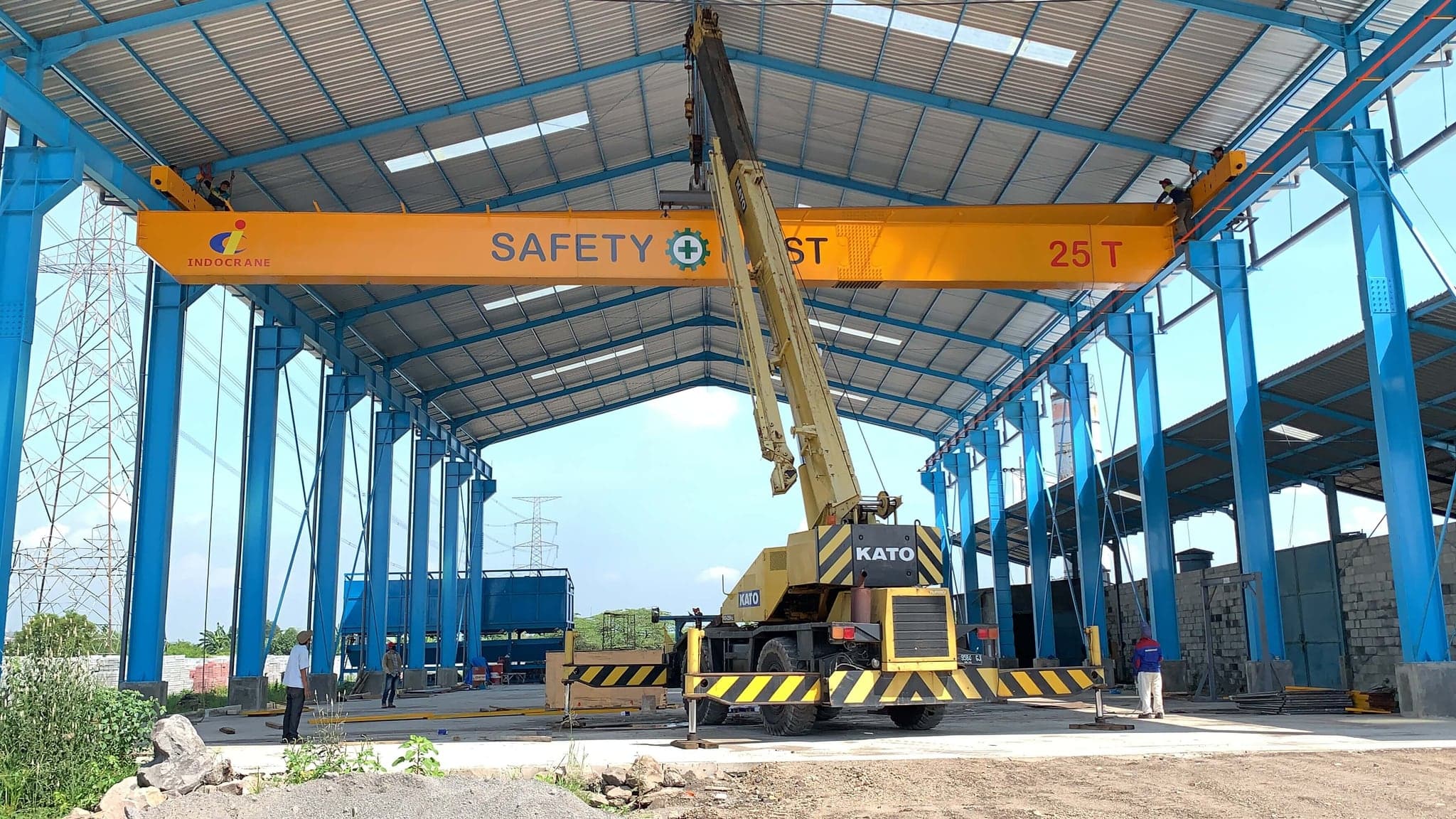
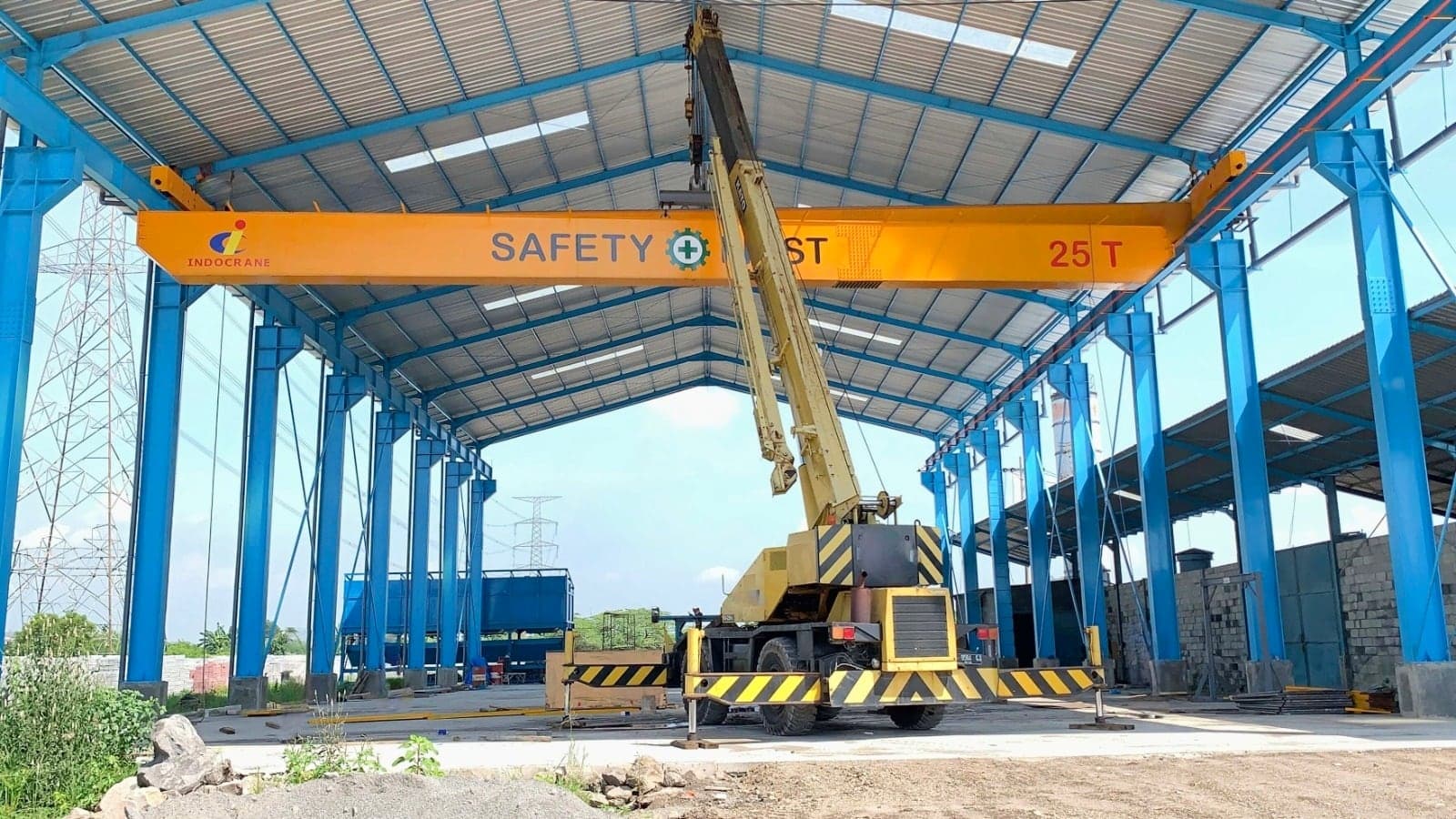
A single-girder overhead crane uses one main bridge beam carried by end carriages on both runway rails, with the hoist and trolley typically suspended along the bottom flange. Because deadweight on the bridge is lighter, this geometry often suits workshops, fabrication bays, and assembly lines with moderate span and load envelopes.
By contrast, a double-girder overhead crane pairs two parallel bridge beams with a top-running crab trolley travelling along rails mounted atop both girders. Positioning the hoist between or above the two main beams raises the upper hook approach and recovers valuable vertical lifting height inside buildings with constrained roof clearance.
Evaluating Safe Working Load (SWL), Span, and Duty Class
Selecting between single-girder and double-girder designs should never rely on a single tonnage cutoff alone. Engineers evaluate the combined Safe Working Load (SWL), bridge span, hourly lifting cycles, load spectrum under ISO/FEM duty classifications, and required hoist, cross-travel, and long-travel speeds.
Where wide spans, high-duty production cycles, maintenance walkways, under-bridge lighting platforms, operator cabins, or auxiliary hoists are required, a double-girder bridge provides higher torsional rigidity and dedicated mounting space that an underhung single-girder layout cannot accommodate.
Wheel-Load Impact on Runway Beams and Building Columns
In existing brownfield factories, the capacity of steel columns or concrete corbels to carry maximum end-carriage wheel reactions is frequently the governing constraint. A lighter single-girder bridge reduces static and dynamic loads on the runway beam, provided calculated girder deflection remains within engineering limits.
In greenfield industrial buildings, early coordination between structural civil designers and crane engineers aligns corbel elevation, rail section, column spacing, and side/overhead clearances so either single-girder or double-girder configurations can be installed without costly structural rework.
Technical Parameters to Prepare Before Submitting an RFQ
Before requesting a technical quotation from PT Indocrane Wahana Solusindo's Surabaya headquarters, prepare maximum and typical load weights, rail center-to-center span, required hook lift height, runway travel length, three-phase power supply details, and environmental conditions such as heat, humidity, dust, or outdoor exposure.
Include preferred control arrangements—such as variable frequency drives (VFD/inverter), pendant stations, or radio remote controls—along with building cross-section drawings where available. Our engineering team reviews these inputs to plan site verification and project mobilization across Indonesia.
Technical references
Need a technical discussion?
Send your initial requirement so Indocrane can help map the right solution for you.